K
KMA Homes
Local Guide · 3 weeks ago
★★★★★
“I wanted to get my brand new 2026 Ford F-150 undercoated to help protect the frame and undercarriage from rust and corrosion, especially with Colorado winters.”
Posted on Google
Colorado winter · Colorado Springs
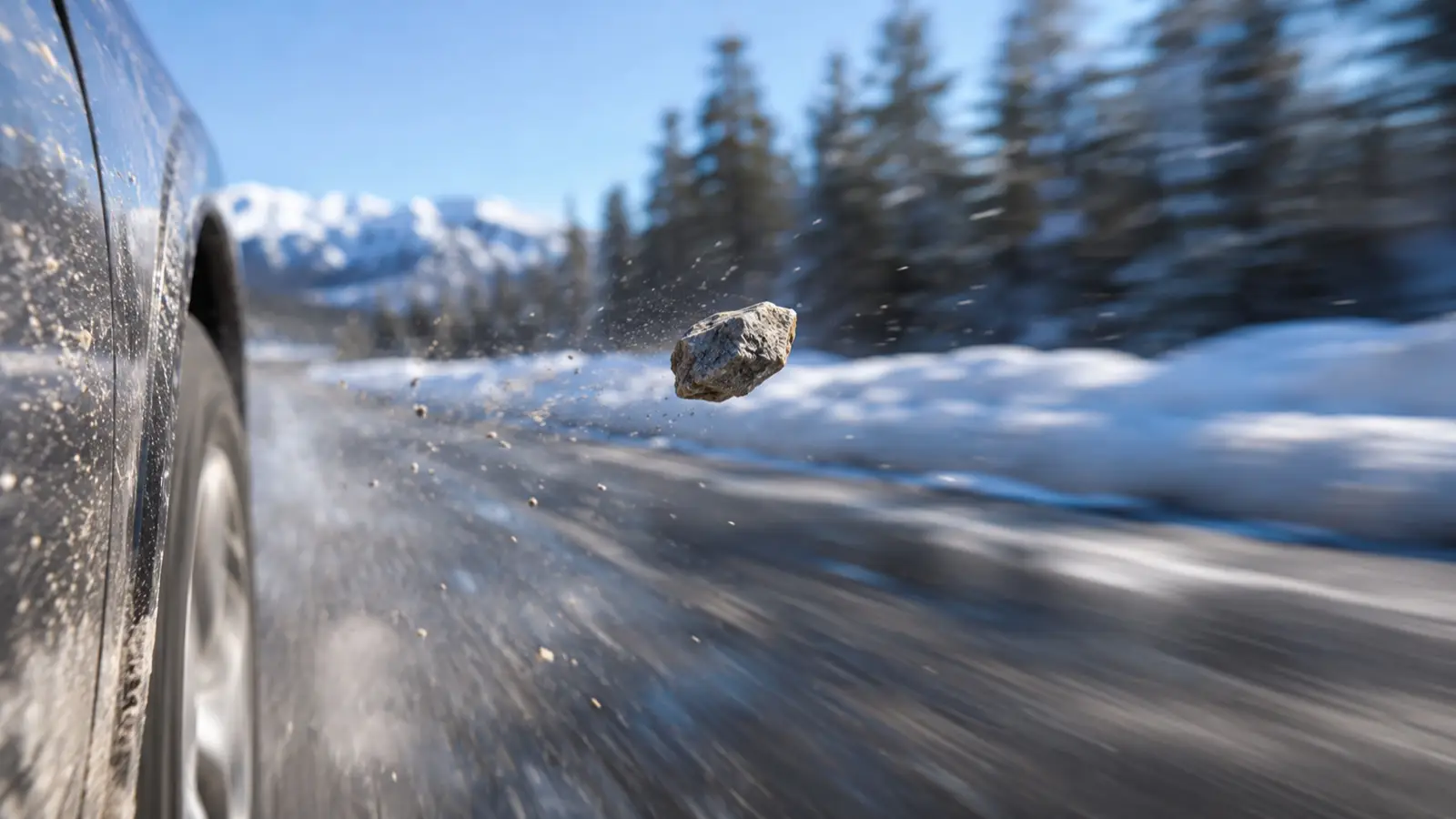
Three things make Colorado unusually hard on damaged glass: forty-degree swings inside a single day, defroster heat hitting the inside of frozen glass, and winter road grit packing into an open break until resin can’t fill it any more. A chip is already a stress riser. Winter is what loads it.
“I wanted to get my brand new 2026 Ford F-150 undercoated to help protect the frame and undercarriage from rust and corrosion, especially with Colorado winters.”
“This is a show car, so I’m extremely careful about who I allow to work on it.”
“Dana is your man if you want your vehicle detailed right and in a timely manner. Skip the others and go with this company.”
What’s actually happening
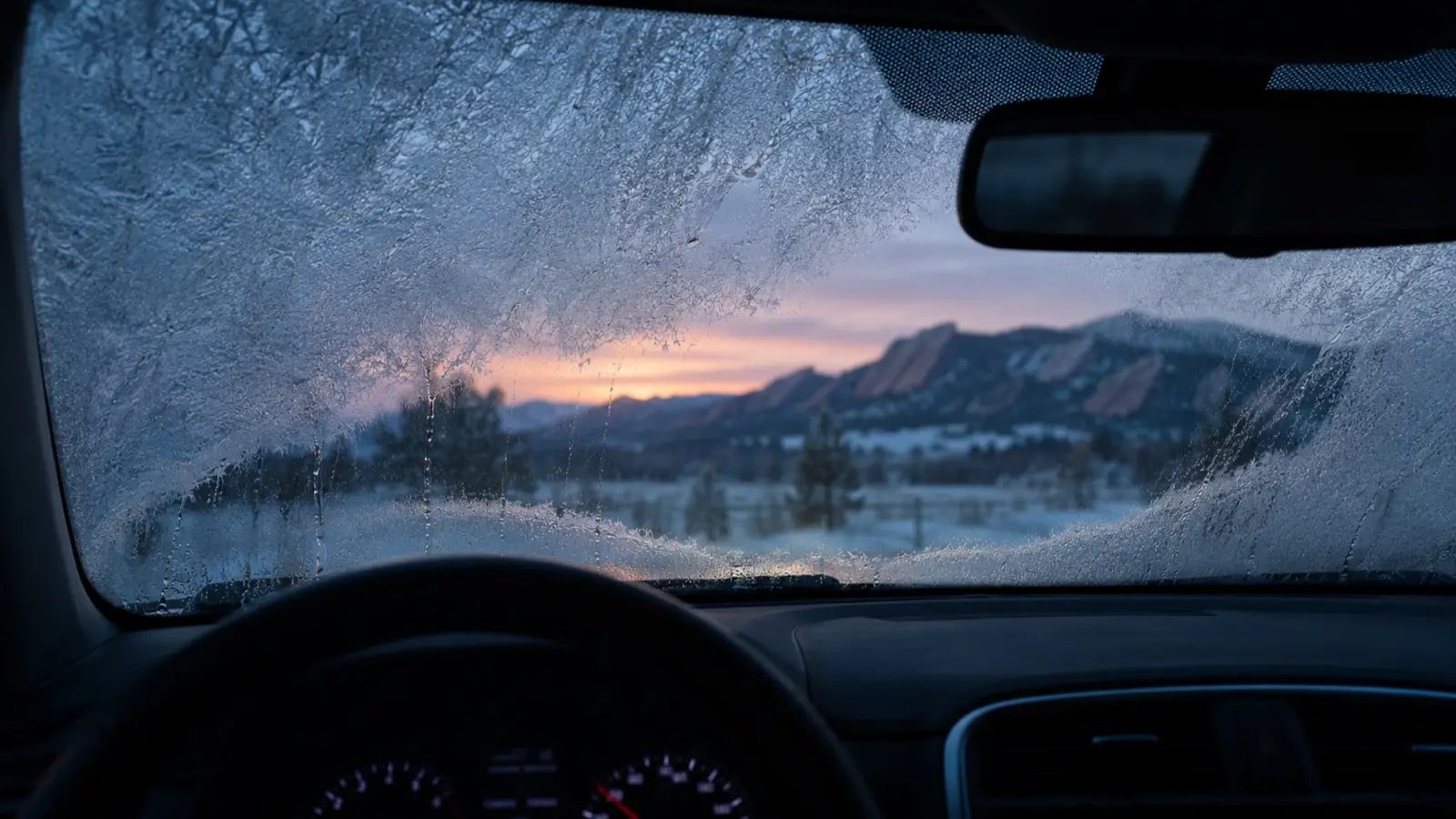
01
Heat on full against frozen glass. The inner surface expands while the outer hasn’t caught up, and the break takes the difference. This is why so many windshields crack in the driveway rather than on the road.
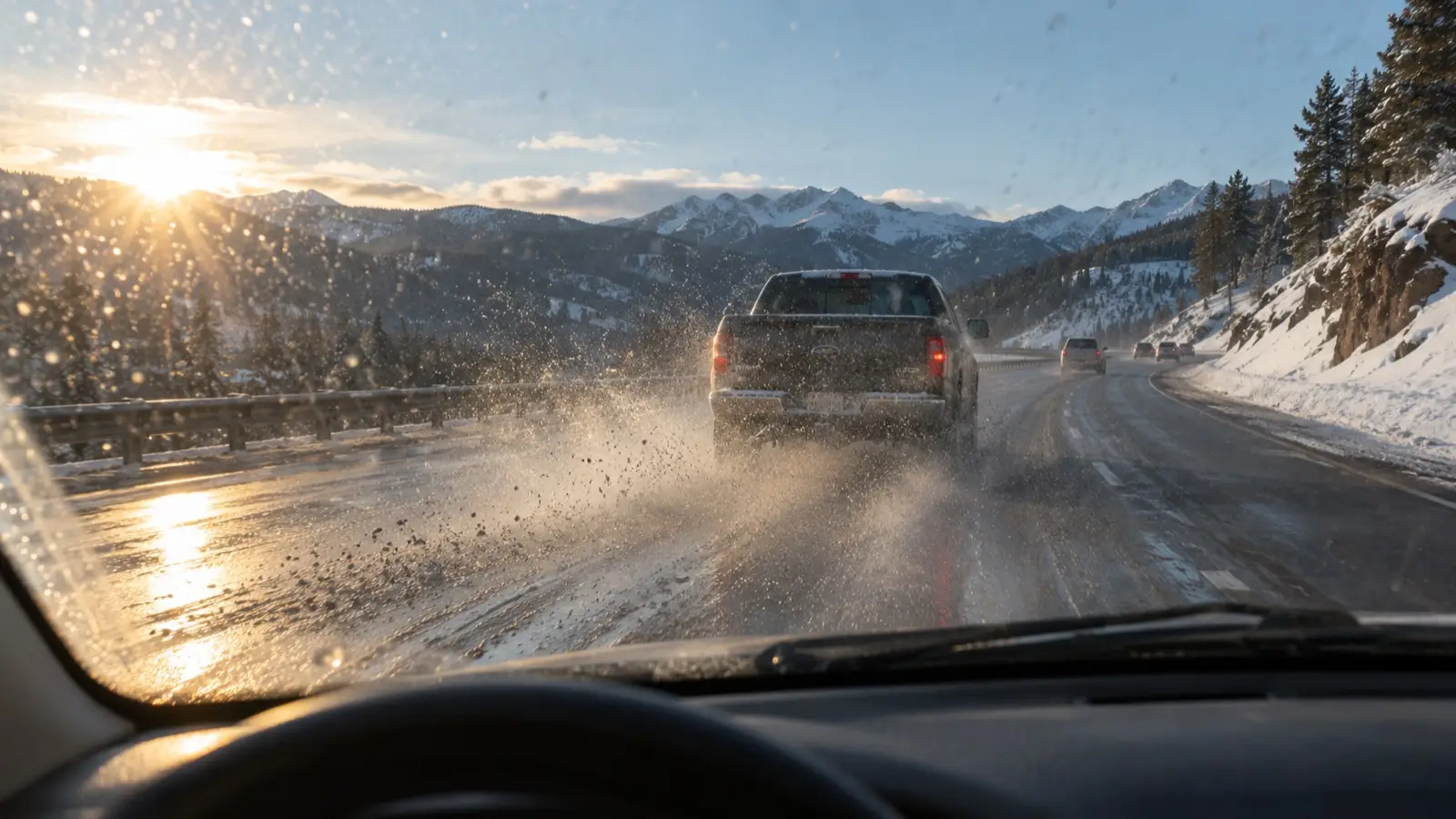
02
The Springs can run forty degrees between a frozen morning and a sunny afternoon. Glass expands and contracts through that every single day, and a break moves with it.
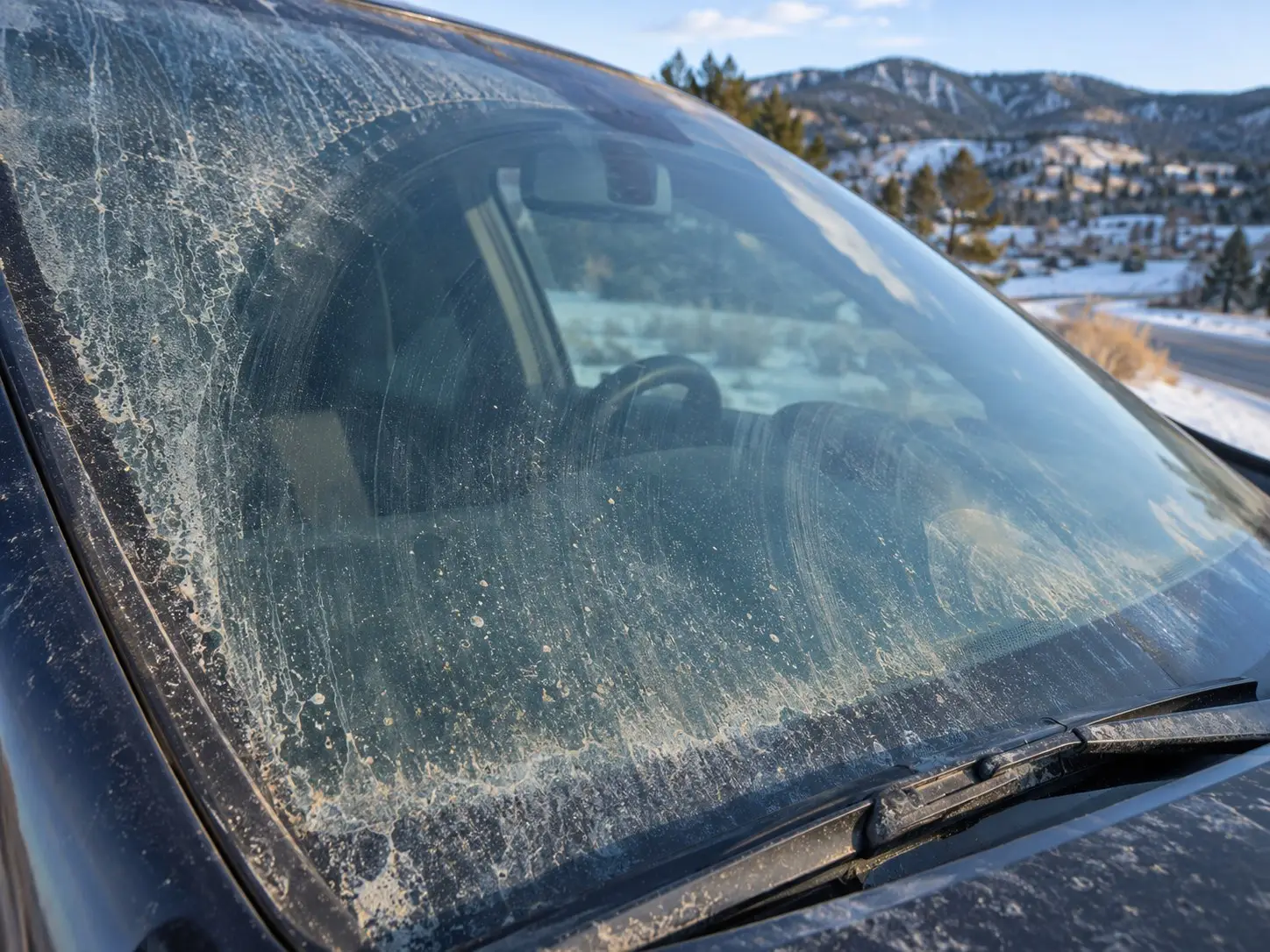
03
That haze is magnesium chloride drying on the glass. The same material packs into an open break on I-25 and Powers — once it’s down in the legs, resin can’t displace it, and a repairable chip stops being repairable.
What to do about it
Warm the glass gradually. Start the defroster on low and let it come up. Blasting maximum heat at a frozen windshield is the single most reliable way to turn a chip into a crack, and it costs nothing to avoid.
Don’t pour hot water on it. Ever. People still do this and it ends windshields.
Get the chip filled before the cold sets in. A filled break is no longer a stress riser. It’s thirty minutes and sixty dollars, and most comprehensive policies cover it with nothing out of pocket.
October and November are the right time. By February you’re usually past it.
Questions
A chip is a stress riser in glass that’s already under load. Cold contracts the glass, sun expands it, and in Colorado that cycle can run forty degrees inside one day. The break moves every time.
It can finish one that’s already chipped. Heat on full against frozen glass expands the inner surface while the outer stays cold, and the break takes the difference. Start on low and let it warm gradually.
No. Thermal shock cracks glass, chipped or not. Use the defroster on low, or a de-icer.
Not the glass itself, but winter traction grit packs into an open chip. Once contamination is down in the legs, resin can’t displace it properly, and a chip that was repairable in November may not be by February.
Before the first hard freeze if you can. October and November are ideal. The longer an open break sits through winter cycling, the more likely it runs.
Call (719) 517-7220 or text (719) 521-6992. Walk-ins welcome. No appointment, deposit or hour’s notice required. Online booking is optional. We’re at 2725 N Nevada Ave, open 6am to 8pm Monday through Saturday and 8am to 6pm Sunday, and we’re staffed for repairs the whole time.
No appointment or hour’s notice is required. Walk in, book online if you prefer, or call or text for the fastest response. We keep a tech on repairs all day, so same-day is normal rather than a favor.
No. A chip repair is about thirty minutes and you wait in our lobby. No loaner to arrange, no dropping it for the day, no second trip to pick it up. You drive away on the same windshield.
$60 for the first chip at ST6, $10 for each additional chip on the same windshield, about thirty minutes at 2725 N Nevada Ave. Most comprehensive policies cover it with nothing out of pocket.
Keep reading
Accreditation
ST6 is a Certified Windshield Repair Technician through the National Windshield Repair Division — a division of the Auto Glass Safety Council.
That matters more than it sounds. The AGSC is the only body in auto glass backed by a published ANSI standard and an independent audit. Certification means passing their exam against ROLAGS — the Repair of Laminated Automotive Glass Standard — not buying a listing or finishing a vendor’s weekend course.
It’s also why we’ll tell you when a chip shouldn’t be repaired. The standard sets limits, and we work to them.